ProRail welcomes Dutch budget prioritising core network funding
The Dutch government's latest national budget prioritises funding for the country's core rail network.
Operations software · small transit, regional rail, heritage lines
Runs, crew, equipment, feeds and reporting in one system, at a price a five-vehicle operation can pay.
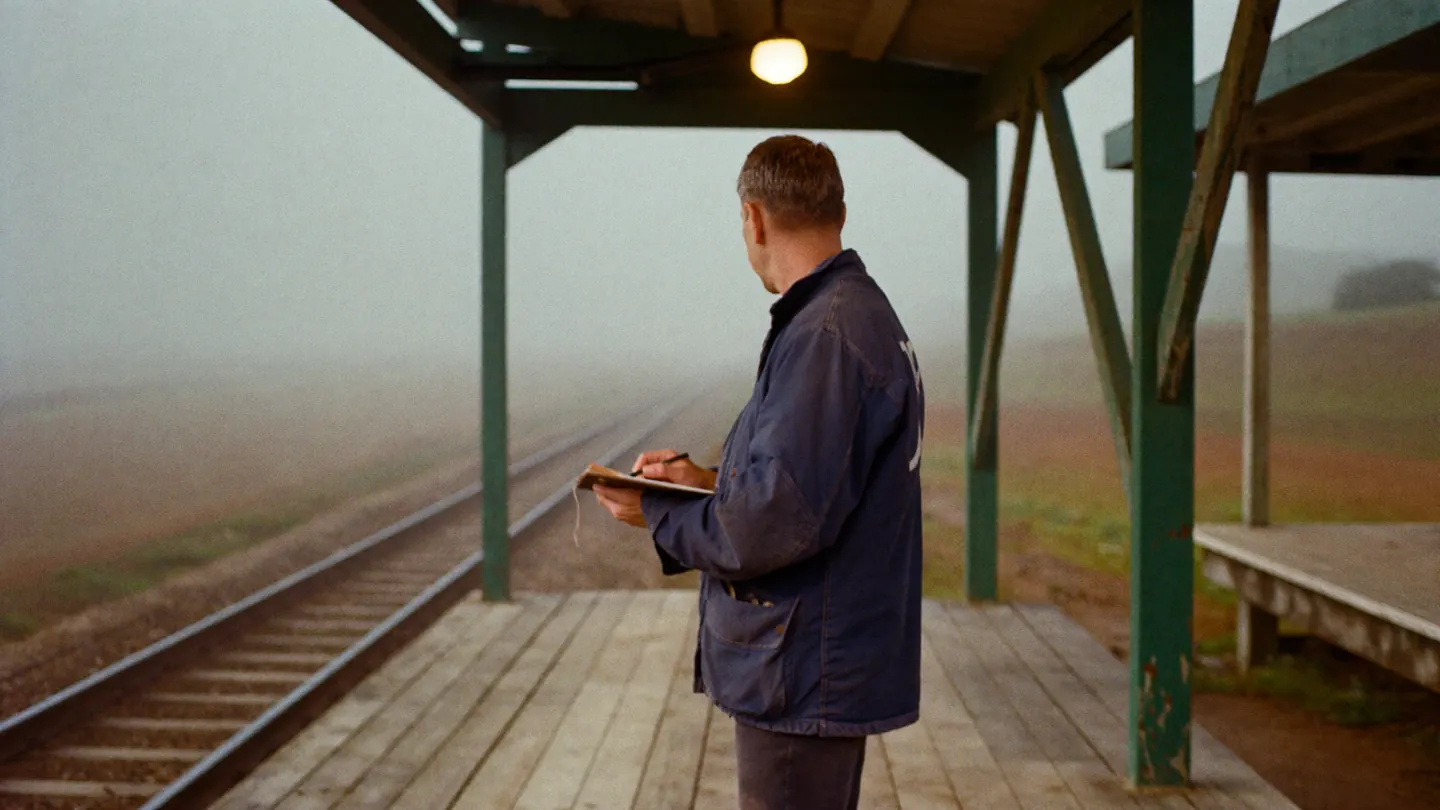
Some 2,200 transit operators run in the United States, most of them small. Enterprise scheduling starts at fleet-sized minimums, so the work goes into spreadsheets.
Counted in APTA's fact book, alongside 107 vanpool systems. Most are very small.
Running about 2,734 route miles in North America, largely on volunteer labour.
Agencies are being asked to grow ridership without knowing next year's number.
Involved a supply-chain or third-party compromise, against long-lived operational technology.
Sources: APTA Public Transportation Fact Book; FTA National Transit Summaries and Trends; HeritageRail; industry reporting on third-party breach exposure. We link every figure on the case.
Not one big system. Six small ones, three of which are files, and one of which is a person's memory.
Forks the moment it is emailed. There is no answer to "what is the schedule".
Accurate until someone wipes it. Yesterday is unrecoverable.
Knows a vehicle is out. The schedule that just assigned it does not.
Built once, by someone who has left, from a spreadsheet that has since changed.
Which is genuinely fine, until the week nobody looks at it.
Reconstructing a year from paper, in the three weeks before it is due.
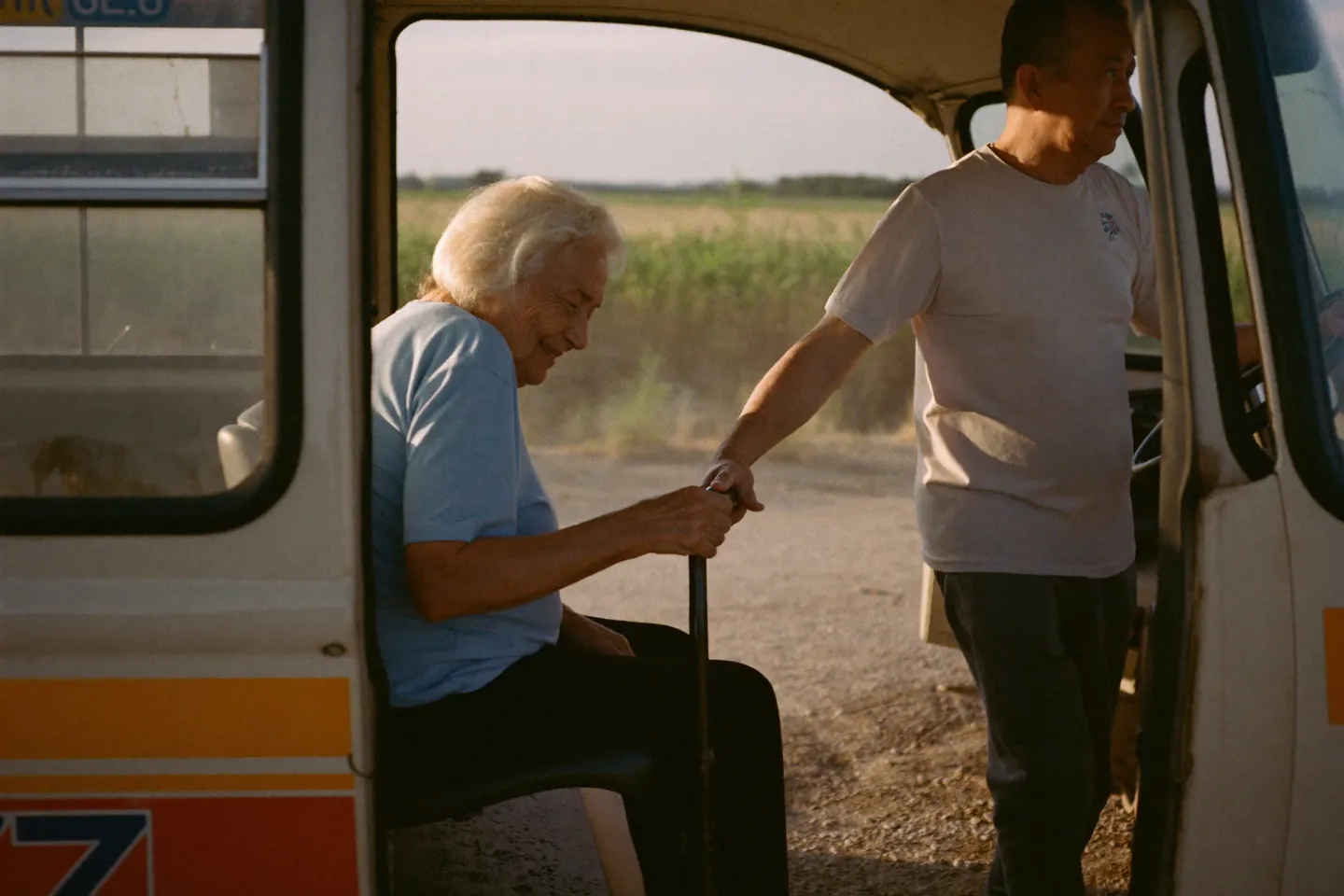
Plate 05
For this rider there is no second option. That is the whole argument.
A missed run in a city is an inconvenience. On a rural line it is a missed dialysis appointment. Somebody is depending on the 6:15 and has nothing else.
The dispatch board, the public timetable, the GTFS feed and the board report are four views of one schedule. They cannot disagree.
Reservations, a dispatch board that works at 5am, and reporting that comes out of the day rather than out of an archive.
What it looks like →Consists, crew certifications, work windows and feeds that stay current — without an enterprise implementation.
What it looks like →Seasonal timetables, volunteer rosters, inspection history on hundred-year-old equipment, and ticketing when you want it.
What it looks like →No quote gate. The per-vehicle overage is capped at the next plan's price, so growth is never punished.
| Plan | For | Vehicles included | Per month |
|---|---|---|---|
| Heritage | Tourist and heritage railroads, volunteer operations, 1–5 pieces of equipment | 5 | $149 |
| Local Operator | Rural transit, dial-a-ride, small fixed-route, 6–15 vehicles | 15 | $399 |
| Regional Operator | Multi-zone agencies and commuter operations, 16–50 vehicles | 50 | $899 |
| Network | Regional authorities, multi-county coalitions, state consortia | — | Let's talk |
Gathered from the trade press every few hours, weighted towards what matters at small-agency scale.
The Dutch government's latest national budget prioritises funding for the country's core rail network.
A transit agency is considering installing Flock cameras, a type of surveillance system, to monitor and improve safety.
The Cadence consortium is seeking rolling stock for the Alto high speed train project that meets European technical specifications and other specific requirements.
APTA Transform 2026 conference featured discussions on AI, battery-powered trains, and transit funding.
A plain walkthrough of what a GTFS feed is, the seven files that actually matter, how to get yours onto Google and Apple Maps, and what breaks it six months later.
Why small agencies still schedule in Excel, what genuinely goes wrong when they do, and how to move to something better without a six-figure procurement.
A buyer's guide for small agencies: the questions that actually predict whether a system will be used, the pricing traps to name out loud, and what to insist on in writing.
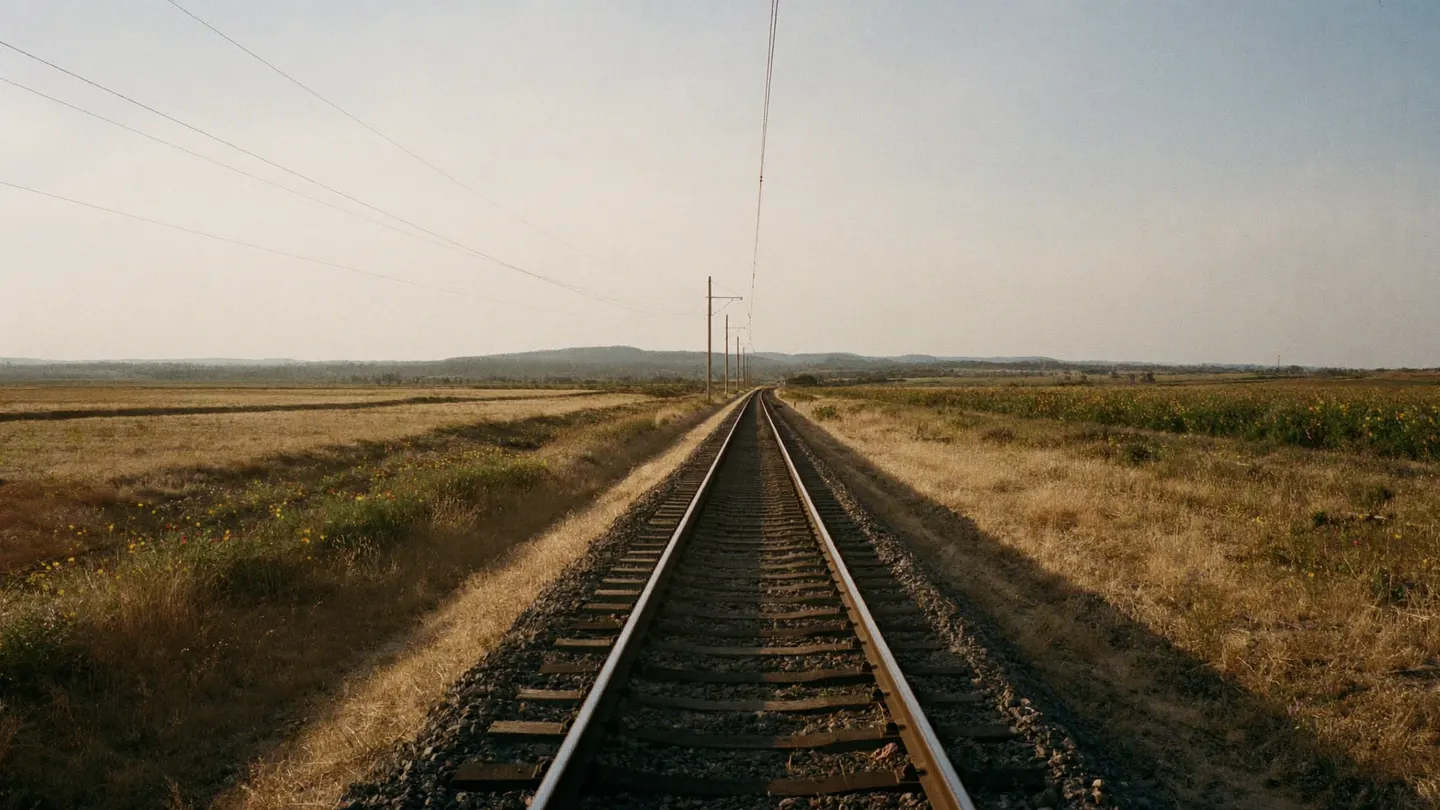
Put one line and one day of runs in. If it misdescribes your operation, tell us why.