Re-crewing without a phone tree
When a driver calls in at 05:20, the board shows which runs are exposed and who is available and certified — in one screen, on a phone, in the dark.
Rural transit and demand-response
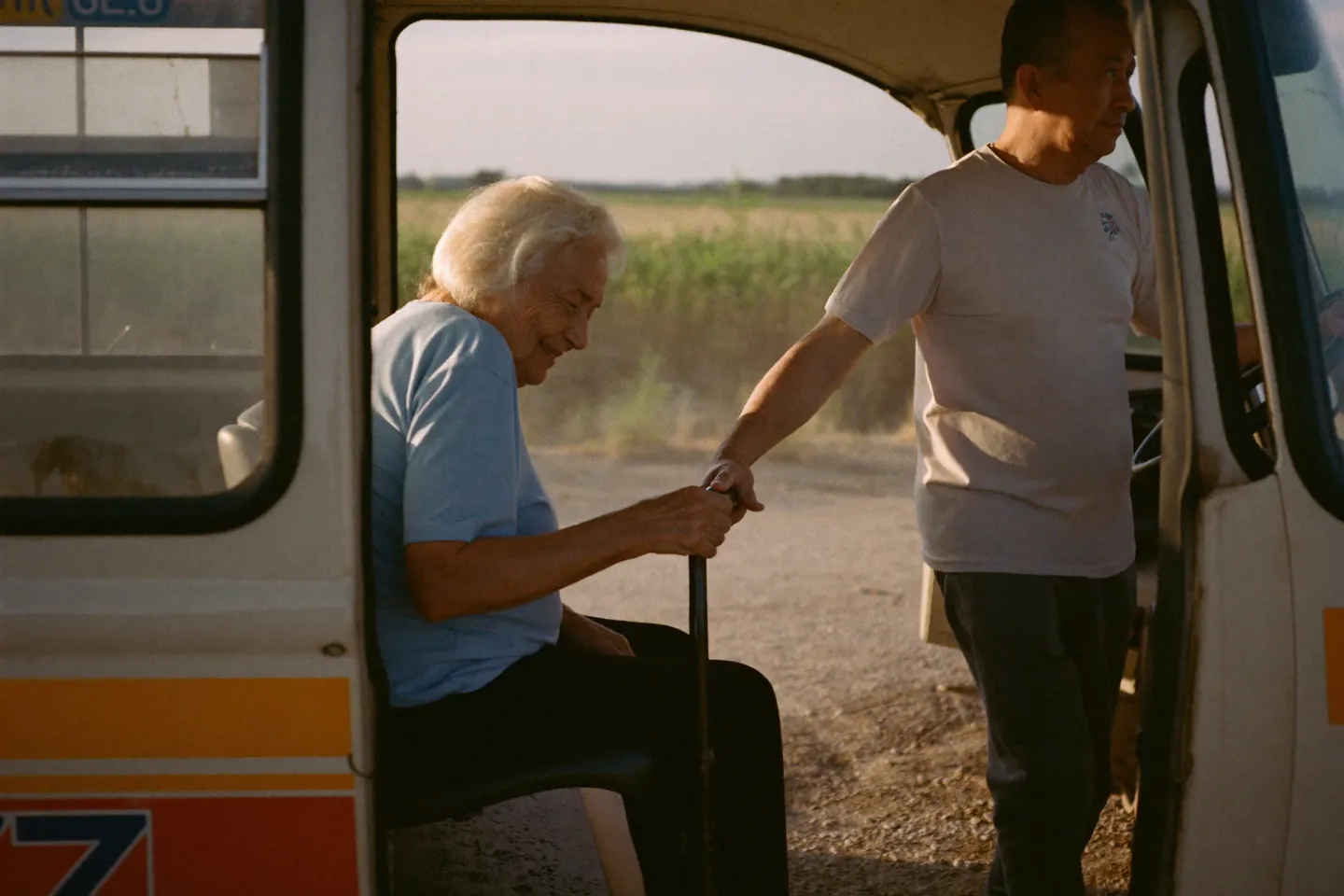
Dial-a-ride, deviated route, a couple of fixed runs, and a service area measured in counties rather than blocks. Nine vehicles, six staff, and a rider list where a missed pickup is not an inconvenience.
| 05:20 | First driver calls in sick. Two runs need re-crewing before 06:00. |
| 06:40 | A rider calls to move this afternoon's dialysis pickup by an hour. |
| 09:15 | Van 3 comes back with a brake noise. Nothing else is free until 14:00. |
| 11:00 | The county asks for last quarter's ridership by route. It is in four places. |
| 15:30 | Tomorrow's manifests have to go out, and one driver's medical card expires Friday. |
When a driver calls in at 05:20, the board shows which runs are exposed and who is available and certified — in one screen, on a phone, in the dark.
A change made at the desk is on the driver's manifest immediately. No second call, no printed sheet that is already wrong.
Put Van 3 out of service and nothing can be assigned to it. The scheduling system finds out at the same moment the mechanic does.
Ridership by route, revenue hours apart from deadhead, missed runs with reasons. Recorded during the day, exported when the county asks.
Your next run
06:15
Dial-a-Ride North
Van 3 · 6 pickups
Two taps. Nobody is filling in a form at a stop.
Usually the right plan
15 vehicles included, reservations, dispatch and reporting.